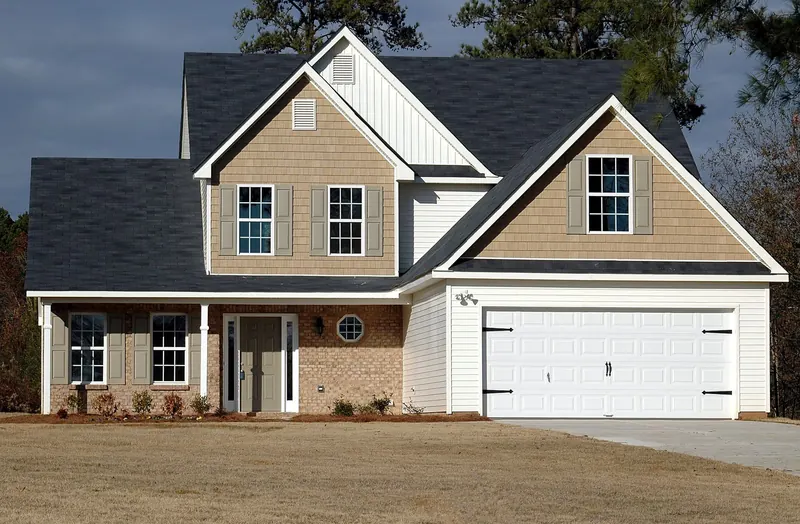
Local mold removal
Mold Removal in Willowbrook, IL
You can call to discuss mold removal for a home, rental, or business in Willowbrook.
Call (844) 352-3560
Talk to a mold removal specialistAnswered 24 hours a day. No forms.
- Moisture source checked first
- Containment and HEPA filtration
- Homes, rentals and businesses

Moisture control mattersFix the water problem or mold can return.
24/7 callsDay, night, weekends and holidays
Moisture source firstFind and fix the leak or humidity
Contained work areaPlastic sheeting and HEPA filtration
WillowbrookHomes, rentals and businesses
Local conditions
Local Factors for Mold Removal in Willowbrook
Local housing figures describe the area, not the condition of your property. Plan access, moisture repairs and records around what an assessment finds.
9,131residentsACS 2024
27%of occupied housing units are rentedACS 2024
1980median year housing units were builtACS 2024
649residents 65+ live aloneACS 2024
Census ACS 2024 5-year (tables B01003, B25003, B25035, B09021 and B25024). Area estimates do not establish conditions at an individual property.
In Willowbrook, renters occupy 27 percent of occupied housing units. Before work starts, discuss access to the affected room and any adjoining space that needs inspection.
The median year built for housing units in Willowbrook is 1980. This does not establish your building age or condition. Use your own inspection findings to plan repairs and keep copies of the agreed cleanup steps.
Single-family units make up 41 percent of all housing units in Willowbrook. Use your own inspection findings to plan repairs and keep copies of the agreed cleanup steps.
In Willowbrook, 28 percent of residents aged 65 or older live alone. Ask who will repair the moisture source and who will replace any materials removed during cleanup.
Local Mold Facts for Willowbrook
- License: Illinois does not currently require mold remediation professionals to hold a state license. A Mold Remediation Registration Act (Public Act 103-0893) has passed, but the Illinois Department of Public Health says registration is not required until it finishes its rulemaking, so check its page for updates. If you are hiring someone, ask about their training and experience, and check your local contractor rules.
- Disclosure: Ask which mold and moisture findings must be disclosed before a sale or lease in your area.
- Renters: Renters should report leaks and visible mold to the property owner in writing and keep a copy.
- Agency: The Illinois Department of Public Health Toxicology Program answers mold questions mostly by phone and email ([email protected]) and posts mold fact sheets, FAQs, and exposure tips. Onsite visits are limited to special cases.
State guidance: IDPH: Mold Remediation Registration; IDPH: Indoor Air Quality and Healthy Homes
Call (844) 352-3560No forms. Just call.
Mold removal explained
Understanding Mold Removal
During mold removal, the moisture source is located and the affected area contained; uncleanable materials are removed and salvageable materials dried.
You may see related work described as mold abatement, mold remediation, mold mitigation or mold cleanup. The scope should address visible mold growth, damp materials and the water intrusion or humidity problem behind them.
Mold removal in Willowbrook starts by finding and fixing the moisture source. The affected area is contained, damaged porous material may be removed, and remaining surfaces are cleaned and dried. Larger areas, HVAC systems, and growth linked to contaminated water call for professional help.
If your concern crosses a shared wall, ask who can authorize access on both sides and document which rooms need assessment.
- Visible growth or a musty odor
- Behind walls or floors, hidden moisture
- Mold near HVAC equipment
- Harm left by a flood or leak
Call (844) 352-3560Talk it through with a cleanup specialist
What you get
Compare Mold Remediation Companies Serving DuPage County
Use Independent Clearance Testing
When you need post-remediation verification, choosing an independent assessor keeps the removal company from evaluating its own work.
Ask for a Clear Scope of Work
Specify containment and affected materials in the scope, plus cleanup, repair and drying work and any factors affecting the price.
Start With the Moisture Source
Ask about the approach to finding and correcting a humidity, condensation or leak problem.
Call (844) 352-3560Answered 24/7, including holidays
Property types
Commercial Mold Removal and Residential Service in Willowbrook

Call (844) 352-3560Ask about cost and timing by phone
Every service
Explore All 44 Mold Cleanup Services in Willowbrook
Choose the mold service that matches what you see. If you do not know which page applies, you can call for guidance.

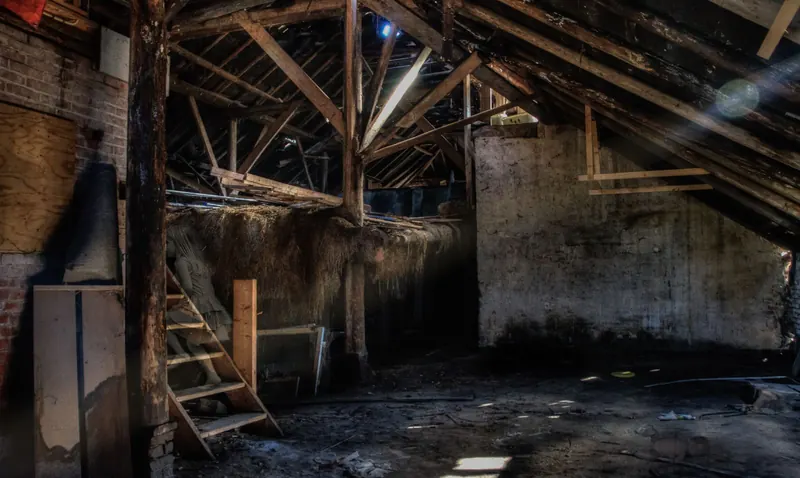
Mold Removal by Area of the Home
- Insulation Mold Removal
- Garage Mold Removal
- Wood Framing Mold Removal (Joists, Studs, Rafters)
- Basement Mold Removal
- Kitchen Mold Removal
- Wall and Drywall Mold Removal
- Bathroom Mold Removal
- Crawl Space Encapsulation
- Floor and Subfloor Mold Removal
- Closet Mold Removal
- Crawl Space Mold Removal
- Attic Mold Removal
- Ceiling Mold Removal
- HVAC and Air Duct Mold Removal

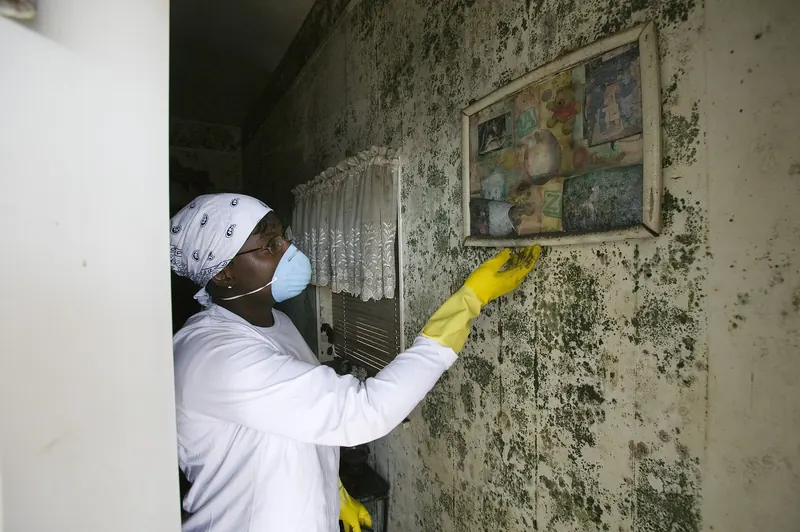
Mold Removal Methods
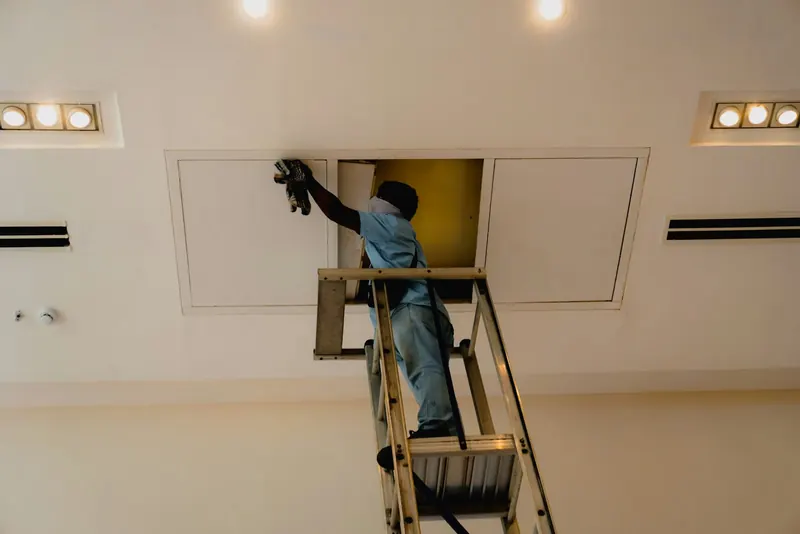
Mold Inspection and Testing
Mold Removal Cost Guide
Call (844) 352-3560Private help, day or night
First steps
Before Hiring Mold Removal Professionals for Your DuPage County Property
Preserve helpful records, keep from disturbing growth and stop water only when safe to do so.
Call (844) 352-3560- Stop the water safely. Have a repair arranged or shut the leaky fixture off. Stay away from standing water and wet electrical equipment.
- Limit access. If possible, leave the door closed. Keep visible growth out of reach of children and pets.
- Avoid spreading particles. Never scrape or brush mold, or sand mold, without containment. Switch off any HVAC equipment suspected of containing mold.
- Photograph the damage. Before moving anything, document damaged items, the leak and growth you can see. Check with the insurer about required records.
Step by step
Stages of Mold Remediation
Assessment comes first in these mold remediation steps, then containment, damaged material removal, cleaning, drying, work verification and, last, removal of containment.
Mold Inspection and Moisture Mapping
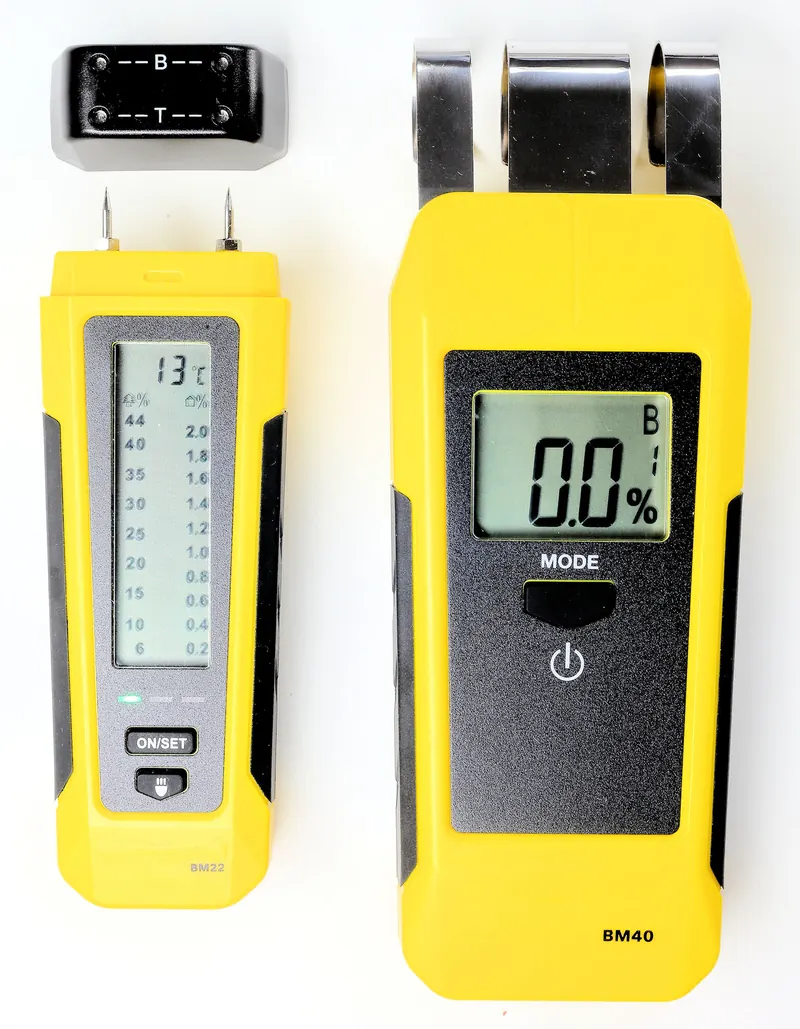
Locating the moisture source and affected materials involves a moisture meter, supplemented by a thermal imaging camera when useful.
Containment and Air Filtration
A containment barrier is made using poly sheeting. To limit particles entering clean rooms, negative air pressure works alongside an air filtration device called a HEPA air scrubber.
Removal of Damaged Materials
Workers use protective equipment. Drywall removal or other demolition of damaged porous materials may be needed.
Surface Cleaning and Drying
For non-porous surfaces left in place, cleaning uses a HEPA vacuum plus damp wiping. Air movers, a dehumidifier and moisture readings guide drying.
Final Cleaning and Verification
Post-remediation verification can involve clearance testing, a visual examination or air sampling, carried out by an independent assessor.
Price ranges
Willowbrook, IL: Mold Removal Cost
Fixr lists a typical national mold remediation range of $1,500 to $9,000. It gives a professional rate of $10 to $30 per square foot when areas exceed about 10 square feet. Your affected area and materials influence price, as do drying, repairs and containment.
Typical National Mold Remediation Range
$1,500 to $9,000Source: Fixr, Mold Remediation Cost (checked 2026-10-23)Professional Rate for Areas Over About 10 Square Feet
$10 to $30 per square footSource: Fixr, Mold Remediation Cost (checked 2026-10-23)Typical Inspection With Two Samples and Lab Testing
$450 to $800Source: Fixr, Mold Inspection Cost (checked 2026-10-23)Insurance and who pays
Mold Removal in Illinois: Insurance Coverage and Payment
Insurance coverage varies with moisture cause and policy terms. Long-term leaks, neglect and humidity are often excluded or limited, whereas a sudden water event may qualify if covered.
Homeowners Insurance and Mold Removal
Before removing materials, ask what your insurance claim requires, whether coverage includes the water event and whether mold has a sublimit.
Property Disclosures
Ask which mold and moisture findings must be disclosed before a sale or lease in your area.
Renters and Landlords in DuPage County
Renters should report leaks and visible mold to the property owner in writing and keep a copy.
Find a Mold Removal Service in Willowbrook
Phone at any hour. Ask a mold cleanup specialist to walk you through the process ahead for your property.
Nearby locations
Nearby Mold Removal Services for Willowbrook
Questions
Your Mold Cleanup Questions
Does black mold need a different process?
You cannot judge mold risk from color alone. Plan removal around materials, the affected area, containment requirements and the moisture source.
When does your situation call for professional mold removal?
EPA guidance points to professional help for areas larger than about 10 square feet, extensive water damage, an affected HVAC system, or sewage or contaminated water.
How do you check for mold in your house?
Search for a musty odor, visible growth and evidence of moisture by HVAC equipment, windows, plumbing and roofs. A mold inspection helps you trace damp materials. You do not always need mold testing if growth and its moisture source are obvious.
Can mold return after removal?
Mold can return if a leak, condensation or humidity problem remains. Your remediation plan should explain moisture control and drying while naming the moisture source.
How much time should you allow for mold remediation?
Material removal and drying affect how long it takes, together with the affected area and repairs to the moisture source. Find out the work sequence before the start.
Get Guidance From a Mold Remediation Company in Chicagoland
Someone answers calls around the clock, including during holidays and on weekends, 24 hours a day.